Deck Safety Inspections: Keep Your Outdoor Space Safe and Sound
Deck safety assessments are fundamentally important in keeping outdoor structures in good condition. Periodic inspections can expose underlying concerns, such as load-bearing deficiencies and dampness-related harm. Property owners frequently neglect these inspections until significant damage occurs. Appreciating the value of consistent assessments can reduce repair costs and improve overall property value. With shifting weather conditions, knowing when to schedule an assessment grows increasingly important. What are the most important factors to consider when assessing a deck's structural integrity?
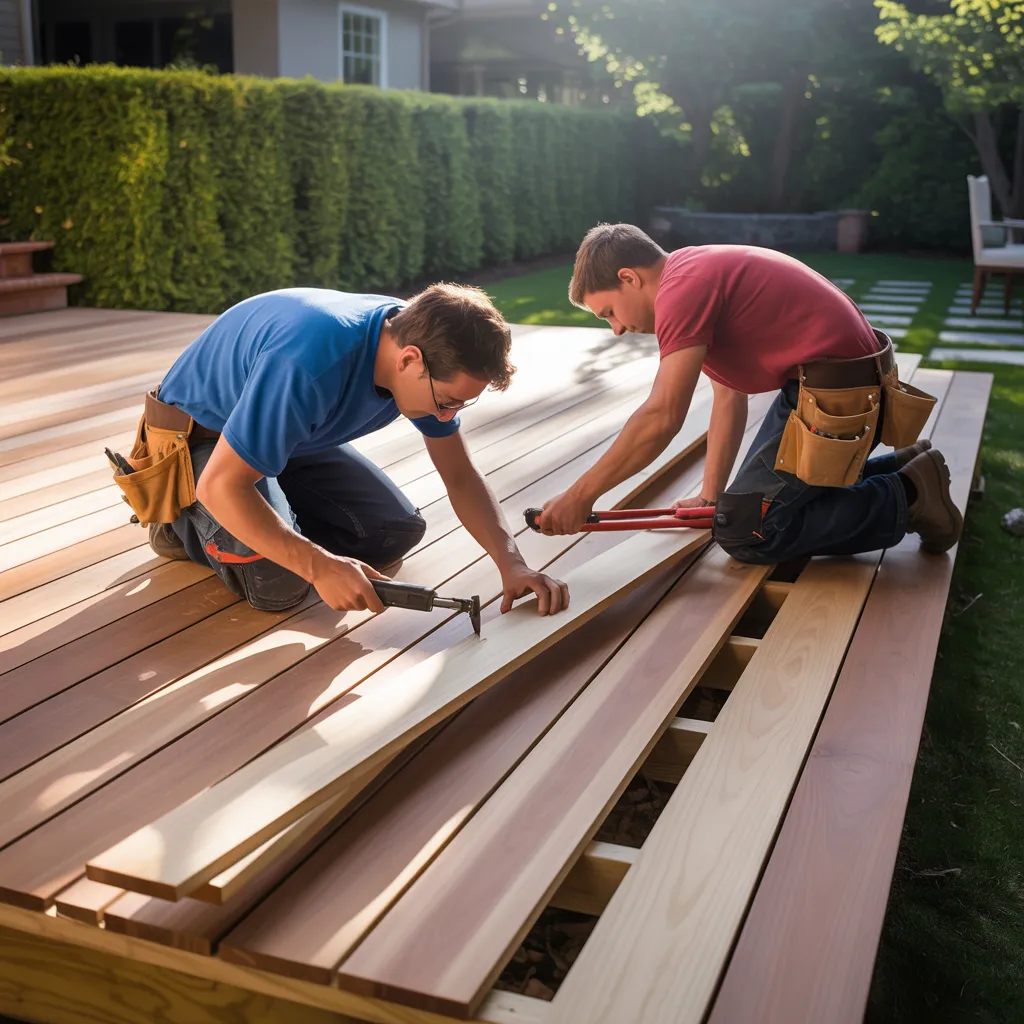
The Importance of Deck Safety Inspections for Your Home
Deck safety inspections are critical for preserving the structural integrity and safety of a home. Over time, decks can suffer from wear and tear due to environmental factors, leading to potential hazards. Periodic inspections assist in identifying structural weaknesses, such as loose boards, corroded fasteners, or weakened supports, which can create risks for occupants and visitors. Additionally, these assessments can uncover issues related to wood rot, insect infestations, or water damage, which, if left unchecked, may result in costly repairs or accidents.
Regular inspections not only improve safety but also extend the lifespan of the deck. Property owners can implement effective solutions to resolve any discovered issues, ensuring that their outdoor areas stay welcoming and practical. By focusing on deck safety assessments, property owners defend their investments and cultivate a protected space for family occasions and outdoor activities. In the end, consistent upkeep promotes peace of mind and increases property value.
How to Determine When Your Deck Is Due for an Inspection
Recognizing when a deck requires inspection is critical for ensuring safety. Property owners should be aware of signs of deterioration, such as splitting wood or unstable boards, which can point to hidden concerns. Furthermore, issues related to structural stability, like instability or visible sagging, warrant immediate professional evaluation.
Signs of Wear and Tear
Periodic inspections are vital for preserving the lifespan and security of outdoor structures. Evidence of wear and aging on a deck can present itself in multiple ways. Property owners should watch for noticeable cracks or splits in the wood, which can signal decay. Fading or staining caused by sunlight or moisture can likewise indicate a need for maintenance. Additionally, loose or missing fasteners can compromise the deck's stability. Twisted or sinking boards are important signals that demand an immediate assessment. The presence of mold or mildew suggests moisture retention, which can further damage the decking material. By identifying these signs early, homeowners can address issues before they escalate, ensuring a safe and enjoyable outdoor space for years to come.
Structural Stability Issues
When a deck shows signs of significant wear, it could point to underlying structural integrity issues that demand prompt inspection. Homeowners should look for specific indicators, such as sagging or uneven surfaces, which may indicate compromised support beams. Cracks in the deck surface and rust on metal connectors also require attention, since these problems can contribute to structural deterioration. Furthermore, excessive movement or wobbling under applied weight indicates instability. Decaying wood, particularly around the posts and joists, presents a serious hazard and should be resolved quickly. Regular inspections enable early detection of these issues, ensuring safety and prolonging the deck's lifespan. Responding at the earliest sign of an issue can prevent costly damage and boost overall outdoor safety.
Key Elements to Examine During a Deck Inspection
In the course of a deck inspection, multiple key elements must be examined to guarantee safety and functionality. Evaluating the structural integrity, analyzing railing stability, and reviewing the surface condition are fundamental steps in uncovering potential safety risks. Complete assessments of these aspects can minimize accidents and enhance the durability of the deck.
Structural Integrity Assessment
Assessing the structural soundness of a deck is vital for ensuring durability and safety. A detailed assessment should commence with inspecting the base and footings, confirming they are solid and free from damage or erosion. Inspecting the joists and beams is crucial, as any evidence of sagging, cracking, or wood rot can undermine the deck's strength. Furthermore, verifying proper spacing between joists ensures even weight distribution. The surface boards should be free of considerable wear, splinters, or warping. Hardware such as nails and screws, should be rust-free and secure to ensure solid connections. Finally, a detailed inspection identifies any potential pest infestations, especially termites, which can greatly weaken key structural elements. Addressing these key factors guarantees a safe and enjoyable outdoor environment.
Railing Stability Evaluation
A thorough examination of railing soundness is essential for ensuring the safety of any deck. Inspectors should first assess the attachment points of the railing to the deck structure, ensuring they are secure and free from corrosion. Subsequently, the vertical posts must be inspected for any indications of wear or weakness, as deteriorated posts can pose significant safety risks. Furthermore, the horizontal rails should be examined for any sagging or gaps, which may signal integrity concerns. It is also vital to confirm the dimensions and placement of balusters, making certain they comply with regional safety standards to reduce fall risks. Routine assessments of railing integrity can contribute to a safe outdoor setting and shield occupants from foreseeable dangers.
Surface Condition Evaluation
Once the assessment of railing stability is complete, the next important focus in a deck inspection is the assessment of surface conditions. Professionals should assess the deck surface for indications of rot, warping, or splintering, as these conditions can create serious safety concerns. Checking for loose boards is essential, as they can generate dangerous tripping hazards. Moreover, the existence of mold or mildew must be identified, as these can cause dangerously slippery surfaces, especially when wet. Inspectors must also examine the condition of any applied sealants or finishes, which protect against water damage. Lastly, ensuring proper drainage is critical to prevent pooling, which can accelerate deterioration. Consistent surface condition inspections are instrumental in ensuring a secure and safe outdoor area.
How Often Should You Inspect Your Deck?
How often should homeowners perform deck inspections to ensure safety and durability? Experts recommend performing a thorough inspection at least once a year, optimally during spring before frequent use gets underway. This once-a-year evaluation should include all structural parts, including joists, beams, railings, and the overall deck surface.
Beyond the yearly inspection, property owners should also conduct informal inspections after severe weather events, such as heavy rain, snow, or high winds. These conditions can undermine the deck's structural integrity, making it crucial to identify any damage promptly.
Periodic inspections not only assist in uncovering potential hazards but also support planning essential maintenance or repairs before they grow into more substantial concerns. By observing these standards, homeowners can guarantee their deck continues to be safe and serviceable for the foreseeable future.
Perks of Consistent Deck Safety Care
Regular deck safety maintenance offers many benefits that strengthen both the lifespan and protection of open-air living environments. Through regular inspection and maintenance of a deck, homeowners can identify potential hazards before they grow into major concerns. This proactive approach not only protects users from accidents but also increases the durability of the construction, saving on costly repairs or replacements.
Furthermore, regular maintenance can improve the general visual appeal of the deck, turning it into a more welcoming area for family and guests. Regularly maintained decks are less susceptible to issues including rot, mildew, or insect infestations, which can threaten safety and structural soundness. In addition, ongoing care develops a spirit of responsibility and dedication for the property, contributing to its overall value. For these reasons, allocating time and resources to regular deck maintenance is critical for maintaining a secure and enjoyable outdoor environment.
Finding and Correcting Common Deck Safety Hazards
Deck owners must remain vigilant in identifying and resolving common safety issues to guarantee a secure outdoor environment. One frequent problem consists of unstable or worn boards, which can cause accidents and falls. Routinely examining the deck surface for splinters, fractures, or decaying wood is strongly recommended. Moreover, assessing the condition of railings is crucial, since weakened or missing elements can present considerable risks. Ensuring that every fastener is properly tightened will assist in preserving the deck's structural soundness.
One other prevalent issue relates to water drainage. Poor drainage can cause moisture buildup, leading to mold growth and structural damage. Owners should verify that gutters and downspouts direct water away from the deck. Furthermore, examining for indications of insect infestations, including termites, can ward off substantial damage. Resolving these concerns in a timely manner can prolong the lifespan of the deck and improve safety for everyone, fostering a more pleasant outdoor environment.
When Should You Hire a Professional for Your Deck?
When is it time for deck owners to seek professional assistance? Several indicators suggest that professional help may be necessary. To begin with, if significant structural damage is visible, such as large cracks, sagging, or loose railings, consultation with a professional is essential. Furthermore, ongoing moisture-related issues such as mold or rot can undermine a deck's stability and demand professional evaluation.
Homeowners with decks should also consider expert assistance after severe weather events, which may cause damage that is not immediately visible. When safety issues become apparent, including unsteadiness when the deck bears weight, swift action is necessary. Furthermore, if a deck has not been inspected in over five years, enlisting a professional to conduct a detailed inspection is strongly advised.
In the end, working with a licensed deck inspector ensures that all potential hazards are detected and resolved, promoting lasting safety and structural integrity for your outdoor living areas.

Frequently Asked Questions
What Tools Do I Need for a DIY Deck Inspection?
When conducting a DIY deck inspection, you will need a tape measure, level, flathead screwdriver, torch, crowbar, protective eyewear, and a notepad. These tools help identify structural issues and guarantee safety during the inspection process.
Can Weather Conditions Affect Deck Safety Inspections?
Absolutely, weather conditions heavily influence deck safety inspections. Extreme temperatures, rain, and snow can conceal structural damage while creating unsafe conditions, rendering it problematic to adequately assess the structural integrity and safety of the deck during evaluations.
How Can I Keep My Deck in Good Shape Between Inspections?
To maintain a deck between inspections, regular cleaning is essential. Check for signs of rot and loose boards, apply weather-resistant sealants, and ensure adequate drainage. Following these steps helps extend the deck's lifespan while improving safety.
Are There Specific Regulations for Deck Safety?
Yes, specific regulations for deck safety often exist, varying by location. These standards commonly encompass materials used, railing requirements, load capacity, and structural integrity, guaranteeing that outdoor areas stay secure for occupants and guests.
What Are the Best Materials for Deck Construction?
Pressure-treated lumber, composite materials, and naturally rot-resistant woods like cedar and redwood are ideal for deck construction. Each material offers its own unique advantages in durability, maintenance requirements, and aesthetic qualities, serving begin here a variety of preferences and environmental settings.